Types, Working Principles, Differences, and Selection Considerations for EPE foam thickening machine
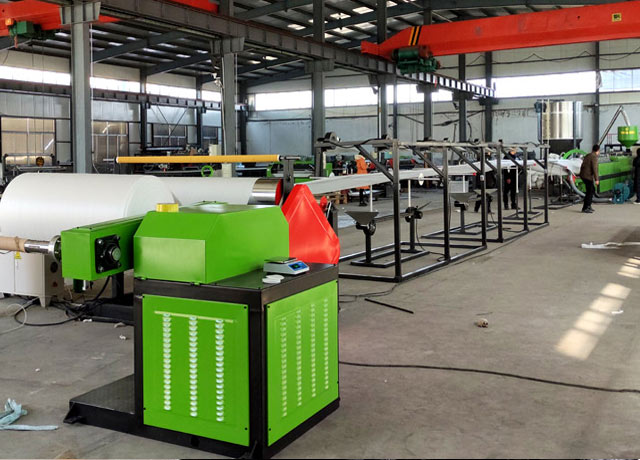
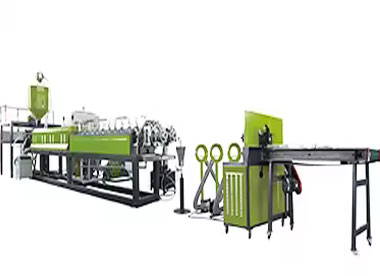
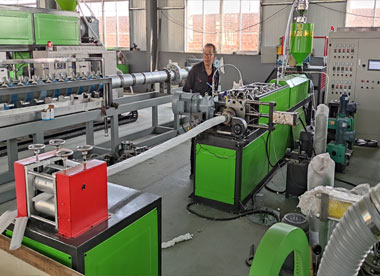
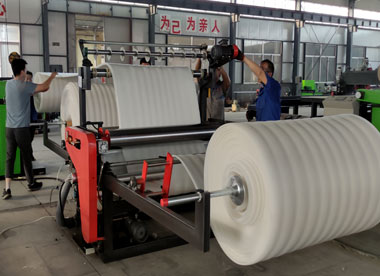
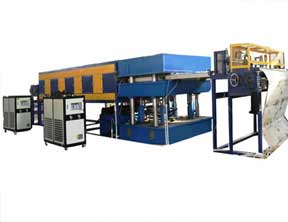
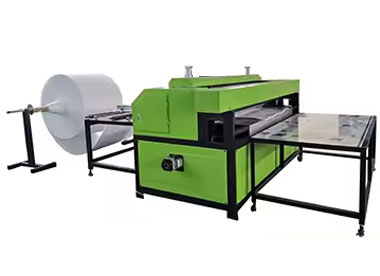
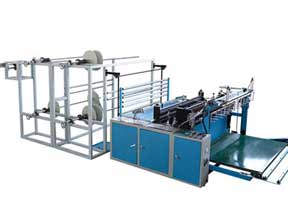
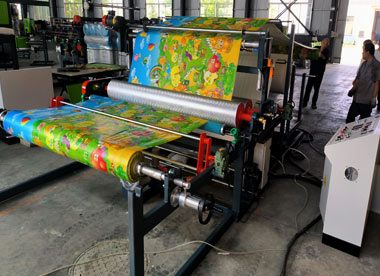
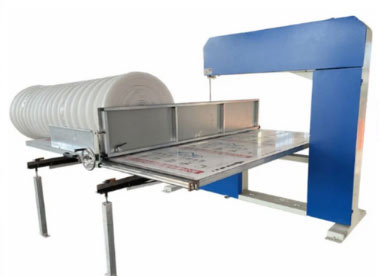
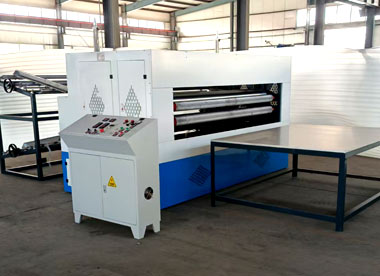
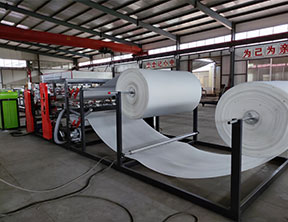
EPE foam thickening machine(Bonding Machine), also known as EPE foam laminator or EPE foam laminating machine: Its core function is to laminate multiple layers of EPE foam together to achieve increased thickness.
I. Common Working Principles and Types of EPE foam thickening machines(Bonding Machine):
Hot Air EPE foam Laminator (thickening machine/Bonding Machine): Hot air from a heating chamber instantly melts the surface layer of EPE foam (approximately 0.1-0.3mm), which is then compressed and bonded together by rollers.
Advantages: Simple operation with quick learning curve, safe without adhesives, environmentally friendly, low cost, and fast bonding.
Disadvantages: Electricity costs are relatively high in many countries, making it slightly more expensive than flame laminators.
Flame Laminator (thickening machine/Bonding Machine): Utilizes gas through a specialized flame burner to instantly melt the surface of the EPE foam (approximately 0.1-0.3mm), then rolls it together under pressure to bond the layers. Since EPE foam itself is butane-foamed and flammable, flame laminators are now largely obsolete, though a few clients still use them occasionally.
Advantages: No glue required, eco-friendly, low cost, fast bonding, soft texture.
Disadvantages: Requires high operator skill, poses open-flame safety hazards.
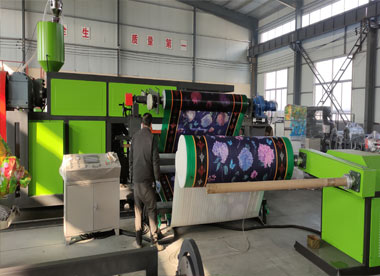
Hot-Melt Adhesive EPE foam Laminator (thickening machine/Bonding Machine): Bonds EPE foam sheets using fused hot-melt adhesive. This machine is commonly used for manufacturing various boxes or performing specialized deep processing of EPE foam into complex shapes.
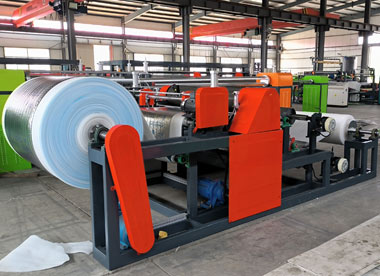
Advantages: High bonding strength, wide material compatibility (e.g., laminating EPE foam with EVA, non-woven fabric, PE film, aluminum foil), and enhanced safety due to no open flame.
Disadvantages: Increases adhesive costs; may involve volatile substances (depending on adhesive type).
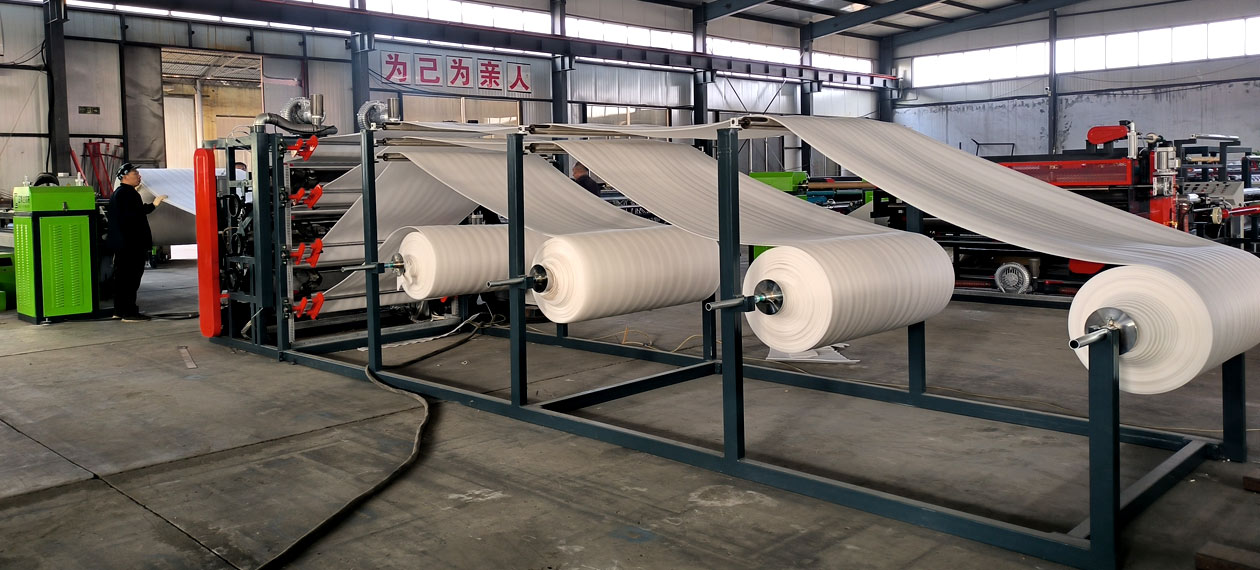
II. Key Components of EPE foam thickening machine(Bonding Machine)s (EPE foam Bonding Machine):
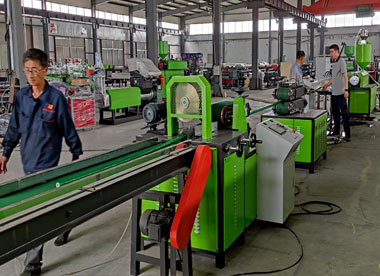
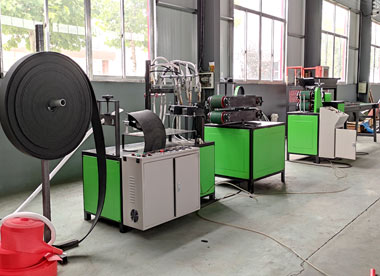
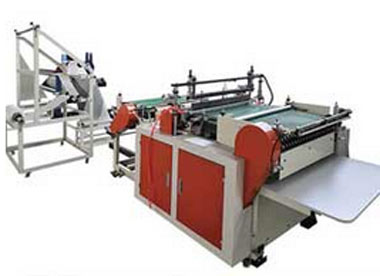
A standard EPE foam thickening (laminating) machine typically includes:
Unwinding Units: 2 or more sets, used to hold rolls of material awaiting lamination.
Preheating/Heating Units: Flame burners or electric hot air boxes, used to activate material surfaces or melt adhesive.
Glue Application System (Glue-Only Machines): Adhesive trough, coating roller, squeegee, etc.
Laminating Unit: Core component comprising one or more pairs of pressure rollers to ensure tight material bonding.
Cooling System: Cooling rollers or air cooling to set the bonded area.
Tensioning & Rewinding Unit: Rolls the laminated product into finished rolls.
Control System: PLC-controlled, regulating parameters like temperature, speed, and tension.

III. How to Select the Right EPE foam thickening machine(Bonding Machine)?
When choosing, clearly define the following:
For simply laminating 2-5 layers of EPE foam to increase thickness, a standard EPE foam hot-air laminator is the preferred, cost-effective choice.
If bonding PE foam with other materials is required, an adhesive laminator must be selected.
Material Thickness & Width: Determine the typical PE foam weight per square meter, thickness (e.g., 3mm, 5mm-10mm), and maximum required bonding width (e.g., 1.6m, 2.2m). These factors are critical for determining machine model and price.
Production Speed Requirements: Different machines have varying design speeds, impacting output capacity.
Bonding Strength Requirements: Hot-air laminated bubble wrap provides sufficient strength for standard packaging. For high-demand products (e.g., requiring peel strength testing), adhesive laminators offer greater reliability.
Budget: Hot-air laminators and flame laminators typically feature simpler structures and are priced lower than fully-featured adhesive laminators.
Key Considerations for Selecting a EPE foam thickening machine(Bonding Machine) (Laminating Machine):
Opt for established manufacturers specializing in EPE foam equipment. Request suppliers to conduct sample testing based on your material samples to verify lamination results. Understand their after-sales service system, including installation, commissioning, training, and maintenance support. Compare equipment materials across manufacturers (e.g., roller material, heating method, control system brand).
You may also compile your specific requirements (e.g., types of composite materials, finished product thickness, daily output capacity), then consult several equipment manufacturers with this information. They will provide the most professional machine recommendations and solutions tailored to your needs.
Why Choose Us
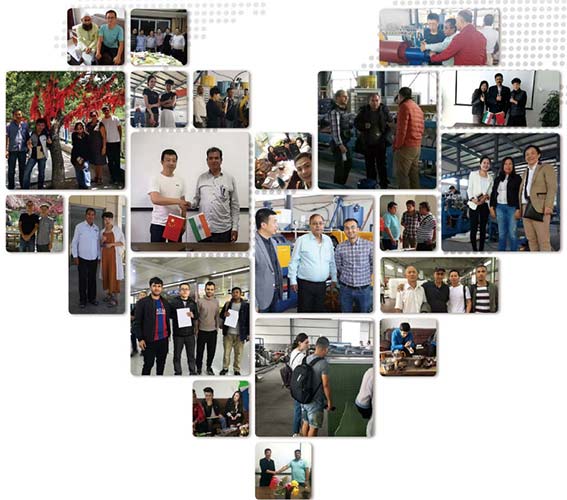
China manufacturer of EPE foam machinery since 2003.EPE foam machine not only have covered all over China, but also have exported to more than 70 countries
Would you like to take a closer look at our offer?

You May Like:
We are making Types, Working Principles, Differences, and Selection Considerations for EPE foam thickening machine factory, manufacturer & supplier & exporter.We specialize in making EPE foam machine for over 20+ years