What is a EPE foam laminating machine?
What is a EPE foam laminating machine?
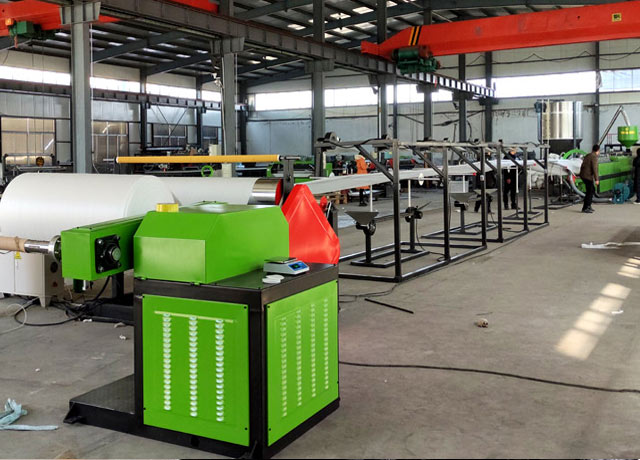
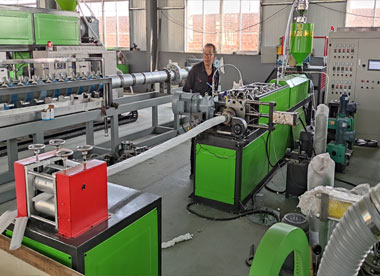
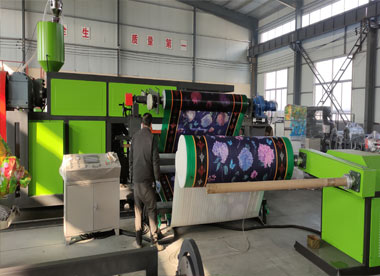
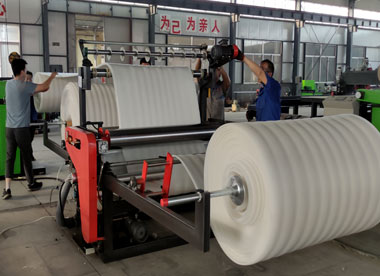
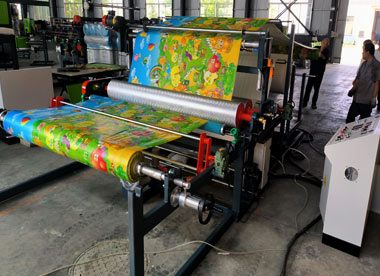
EPE foam laminating machine is a specialized equipment used to bond EPE foam (EPE) substrate with one or more other materials (such as film, aluminum foil, non-woven fabric, fabric, etc.) through hot melt adhesive or hot air, flame to form composite materials. Its purpose is to endow EPE foam with new functions or appearances, such as waterproofing, moisture resistance, thermal insulation, enhanced strength, improved aesthetics, printability, increased barrier properties, etc.
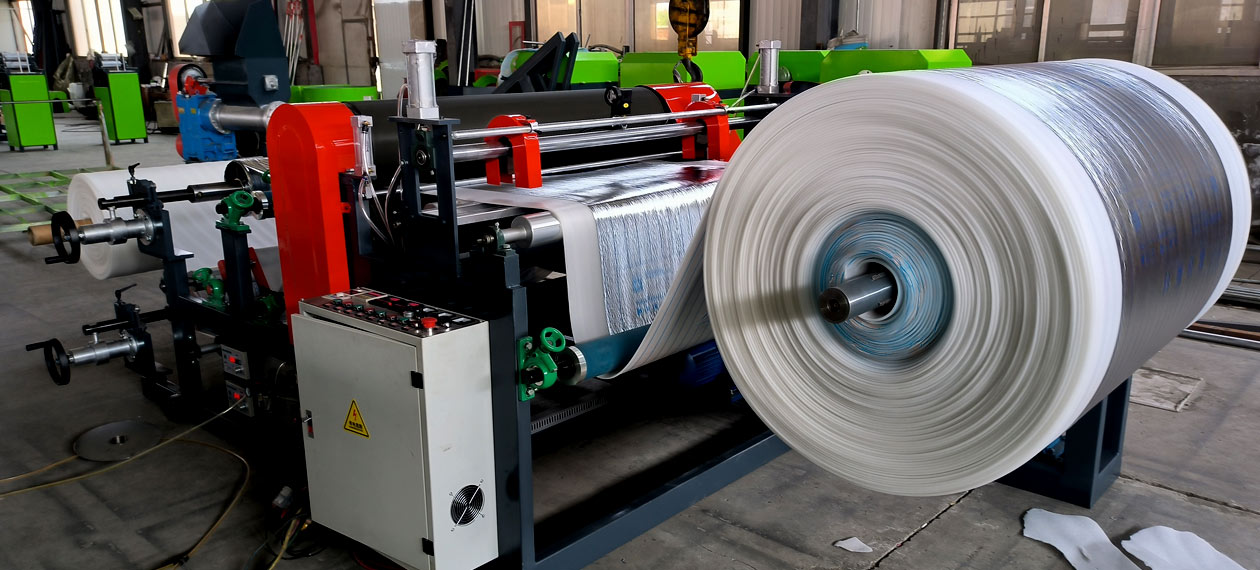
2、 Core working principle of laminating machine
According to the different bonding methods, there are mainly two working principles:
1. Hot air and flame film lamination (fire lamination):
Principle: Utilize the instantaneous melting property of EPE foam surface when heated. When the EPE foam sheet is rapidly passed through hot air or high-temperature flames, its surface (about 0.1-0.3mm depth) will melt. Subsequently, under the action of the pressure roller, the melted EPE foam surface immediately adheres and presses against another material (such as PE film, aluminum foil), and forms a strong bond after cooling.
Features: No need for glue, low cost, high efficiency, environmentally friendly (solvent-free), good product softness. It is the most mainstream and commonly used EPE foam laminating method, especially suitable for the composite of PE film and EPE.
Key controls: flame temperature, vehicle speed, distance between EPE and flame. Improper control can lead to burn through or weak bonding.
2. Glue coated composite (adhesive/hot melt adhesive composite):
Principle: Hot melt adhesive (EVA, PUR, etc.) or environmentally friendly water-based adhesive is evenly applied to the surface of EPE foam or another material through a glue application system (such as mesh roller coating, spray coating). After preheating, it is bonded to another material under the action of a hot press roller.
Features: It has a wider range of applications and can be used for material combinations that cannot be bonded by flames, such as the composite of EPE with non-woven fabrics, fabrics, PET films, paper, etc. The adhesive strength is high, but it increases the cost of glue and environmental considerations.
Key controls: glue type, coating amount, coating uniformity, composite temperature and pressure.
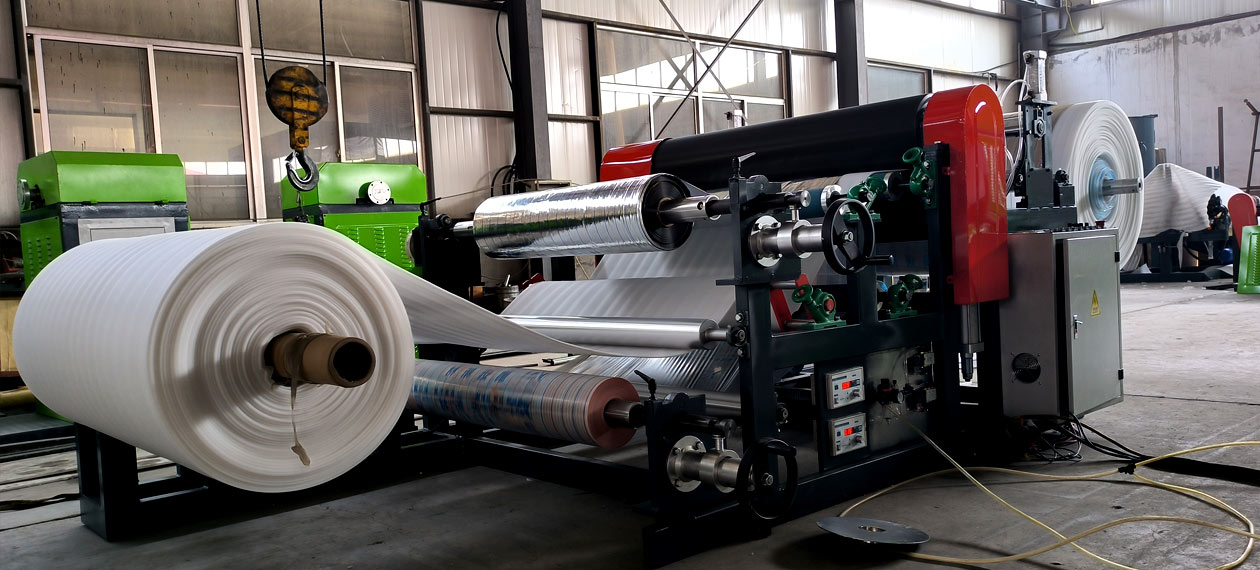
3、 Main types of laminating machine equipment
Divided by composite method:
Flame laminating machine: specifically used for compounding EPE with PE film, aluminum foil, etc.
Glue laminating machine: used for composite of a wider range of materials.
Flame glue dual-use laminating machine: It has two functions, one machine for multiple uses, high flexibility, and is currently the mainstream trend in the market.
According to the number of fitting surfaces:
Single sided laminating machine: only composite one side of EPE foam.
Double sided laminating machine: It can simultaneously laminate both sides of EPE foam (such as laminating both sides, or laminating one side and applying adhesive on the other).
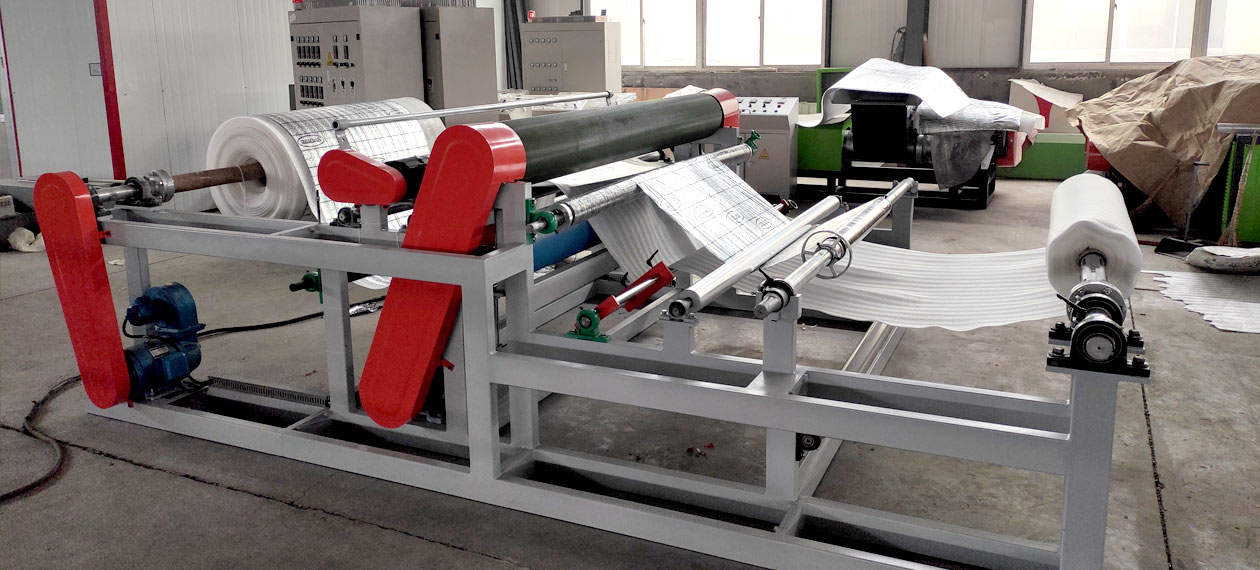 4、 Core components of laminating machine equipment
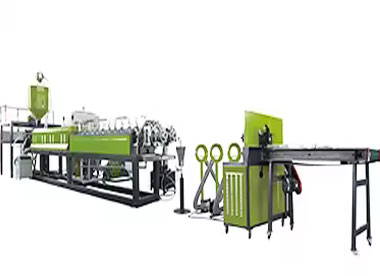
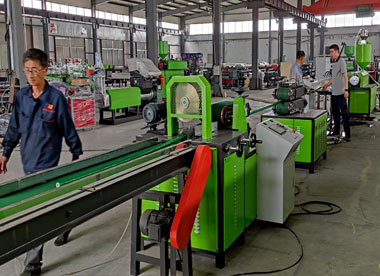
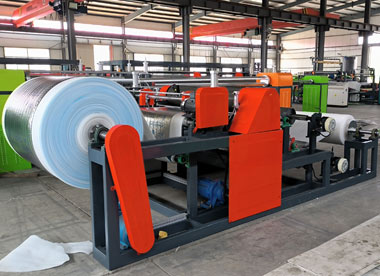
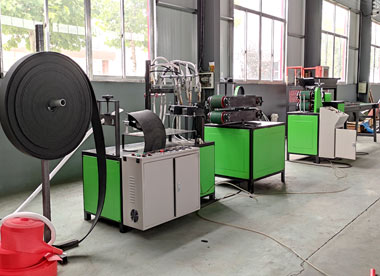
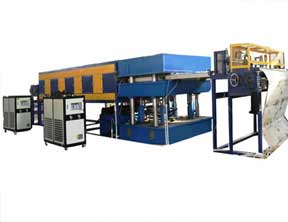
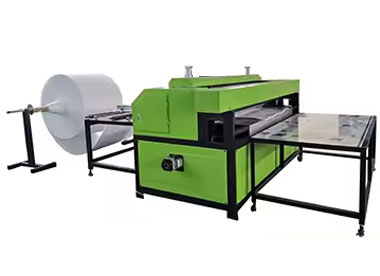
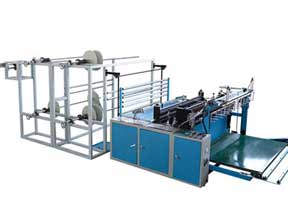
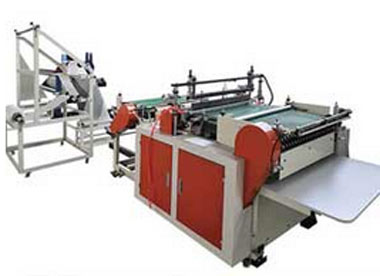
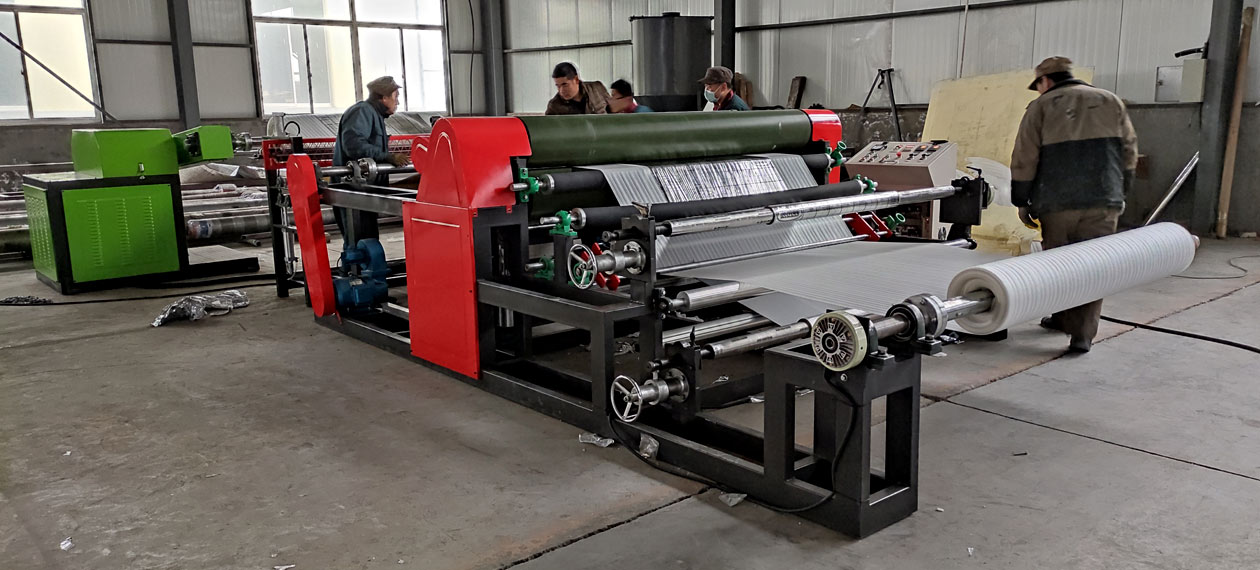
A typical flame/glue dual-use laminating machine typically includes:
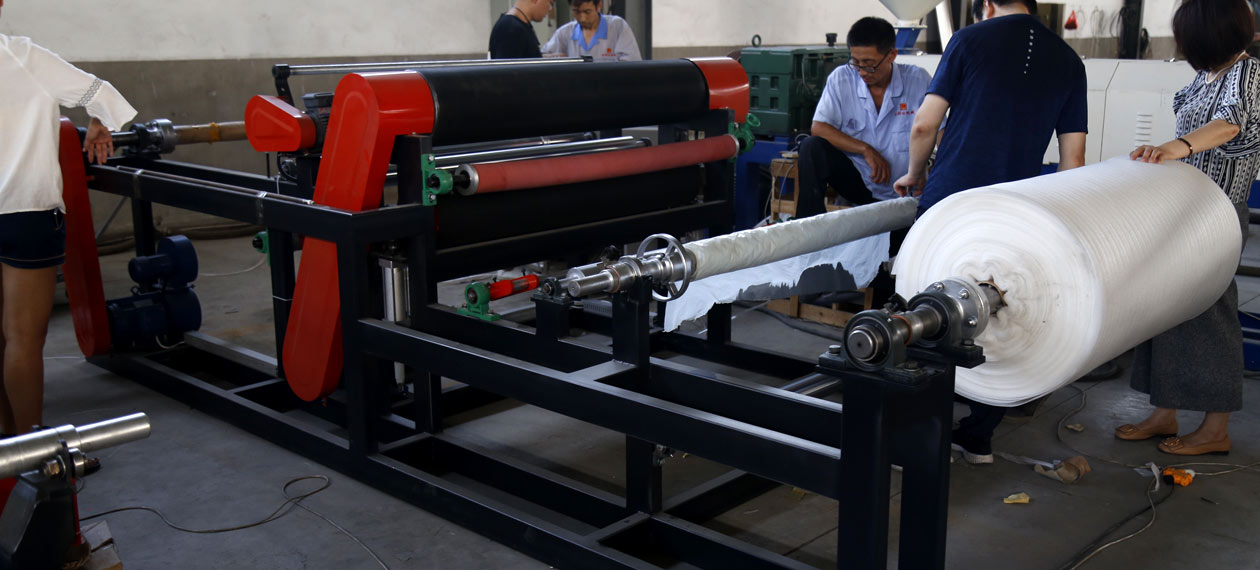
Material release rack: used to place EPE foam coiled materials and facial mask coiled materials (such as PE film), usually equipped with pneumatic or mechanical brakes, which can initially control the tension.
Preheating roller/preheater (optional): preheat pearl wool or facial mask to improve the composite effect.
Flame spraying system (fire sticker part):
Gas system: liquefied gas/natural gas pipelines, pressure regulating valves.
Flame plate: core component, a row of evenly arranged flame nozzles, with adjustable flame width.
Distance adjustment mechanism: Accurately adjust the distance between the flame plate and the surface of EPE foam.
Adhesive system (adhesive part):
Glue box and heater: melt and maintain a constant temperature of hot melt adhesive.
Coating head: Mesh roller or scraper type, controlling the amount and uniformity of adhesive coating.
Composite organization:
Composite hot press roller: an internally heated silicon rubber roller or steel roller that provides the required temperature and pressure, which is the key to ensuring adhesive strength.
Pressure regulating device: cylinder or screw, used to regulate composite pressure.
Cooling system:
Cooling roller: The composite material is immediately cooled and shaped to prevent deformation and rebound.
Traction and winding system:
Main traction roller: provides stable power and controls the speed of the production line.
Automatic Correction Device (EPC): Ensure that each layer of material is aligned during movement to prevent deviation, which is the guarantee of high-quality products.
Winder: The finished composite coil is neatly wound up, with two methods: surface winding and center winding.
Electrical control system: PLC control panel, centralized control of motor speed, temperature (flame, glue, hot press roller), tension, etc.
5、 Typical production process flow of laminating machine
Taking flame composite PE film as an example:
EPE foam unwinding → (optional preheating) → instantaneous melting on the surface of the flame plate → PE film unwinding and merging with it → jointly entering the hot press composite roller for pressure bonding → cooled and shaped by the cooling roller → traction → automatic correction → winding into finished products.
Taking adhesive composite non-woven fabric as an example:
EPE foam unwinding → Apply glue to the EPE foam surface through the gluing system → Activate the glue through infrared preheating → Unwoven fabric unwinding merges with it → Enter the hot press composite roller for pressure bonding → Cooling → Traction → Correction → Winding.
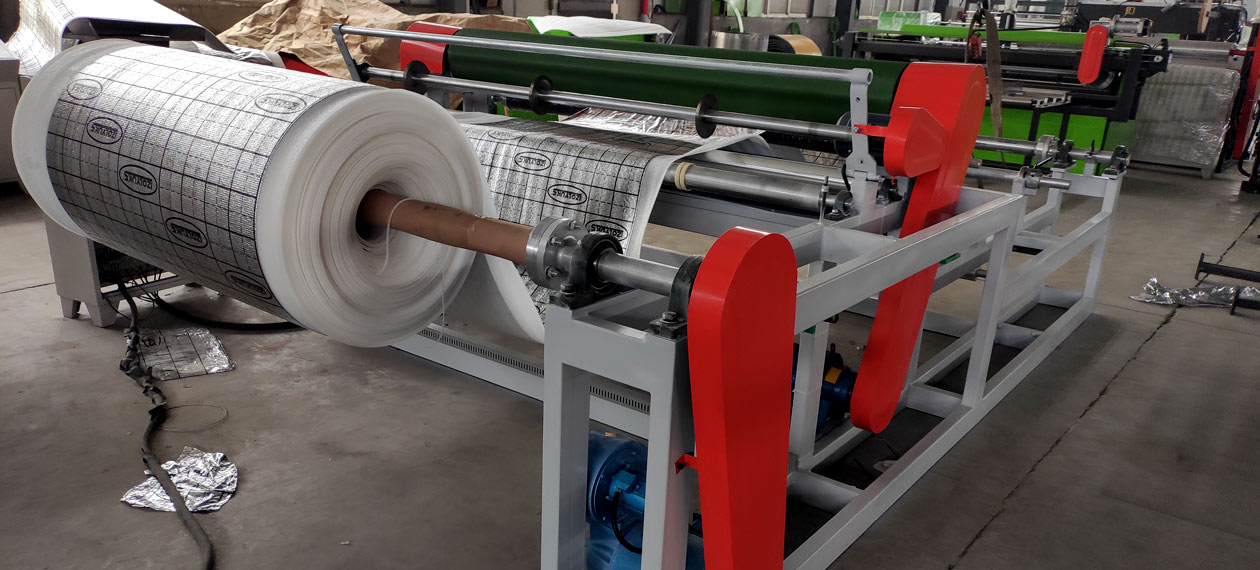
EPE foam laminating machine selection guide
Choosing a laminating machine is an important investment decision that should be based on one's actual needs and consider the following factors comprehensively:
1、 Clarify core production requirements (primary step)
What materials are composite?
EPE+PE film (bag)/aluminum foil? → Preferred flame laminating machine.
EPE+non-woven fabric/cloth/velvet/PET/paper? → A glue laminating machine must be selected.
Products are diverse and require consideration of multiple materials? → Select the flame glue dual-use machine.
2. Specification of laminating machine:
Maximum/minimum width: commonly available are 1.6 meters, 2 meters, 2.2 meters, 2.5 meters, etc. It needs to be slightly larger than the maximum width of your product.
Material thickness range: thickness of EPE (1-10mm, etc.), weight of facial mask.
Production speed requirement: Generally, mid-range equipment operates at 5-20 meters per minute. The higher the speed, the higher the requirement for equipment stability.
Capacity and Automation:
Small batch multi variety → semi-automatic or economical fully automatic is sufficient.
Large scale continuous production → It is necessary to choose a fully automatic machine model with high stability, automatic correction (EPC), tension control, and large roll diameter winding.
2、 Examine the key components and performance of the equipment
Flame system:
Flame uniformity: After ignition, observe whether the flame forms a uniform blue flame band, which directly affects the uniformity of the composite.
Adjustment accuracy: Whether the adjustment of the lifting distance of the flame plate is precise and convenient.
Adhesive system (if optional):
Coating method: Mesh roller coating is more uniform and controllable than simple scraper coating.
Heating and temperature control: whether the heating of the glue box and glue delivery pipeline is uniform, and whether the temperature control is accurate.
Composite hot press roller:
Material and Heating: Silicone rollers can provide better elastic pressure and are suitable for uneven surfaces; Steel rollers conduct heat quickly. The heating method (electric heating/oil heating) and temperature uniformity are crucial.
Pressure regulation: Whether the pressure is sufficient and the regulation is smooth.
Correction system:
Whether equipped: For the production of wide width or high-quality products, automatic correction (EPC) is a mandatory option, which can greatly reduce waste and manual intervention.
Correction type and brand: photoelectric or ultrasonic? Brands such as BST, ETC, etc. guarantee quality.
Transmission and control system:
Motors and reducers: Brand and quality determine power stability and equipment lifespan.
Whether well-known brands are used for electrical components such as PLCs (such as Siemens, Mitsubishi, Delta), frequency converters, temperature controllers, etc., is related to the stability and failure rate of the equipment.
User interface: Whether it is user-friendly, whether parameter settings and calls are convenient.
3、 Safety and environmental considerations
1. Safety protection: The equipment should have an emergency stop button, protective cover, and a good exhaust system (especially when a small amount of smoke is generated during flame recombination).
2. Adhesive type: If adhesive is used for compounding, consider using environmentally friendly hot melt adhesive (such as PUR hot melt adhesive, which requires moisture curing but is more environmentally friendly and heat-resistant), and ensure workshop ventilation.
4、 Manufacturer and after-sales service
1. Manufacturer strength: Check the factory size, technical team, whether there are standard models and customization capabilities.
2. Case reference: Request to view customer cases where their equipment is running, especially those that produce products similar to yours.
3. After sales service:
Warranty period: Usually 1 year.
Response speed: Can timely technical support and maintenance services be provided.
Spare parts supply: Is there inventory of vulnerable parts (such as flame plate nozzles and silicone rollers) and are the prices reasonable.
Installation and training: Do you provide on-site installation, debugging, and free training for operators.
5、 Budget and cost-effectiveness
Set a reasonable budget: Imported equipment (such as Italy) is of high quality but expensive; Domestic equipment is absolutely mainstream and has high cost-effectiveness.
Avoiding the simple low price trap: A low price may mean the shrinkage of key components (such as using miscellaneous motors or eliminating correction systems), leading to unstable production, high failure rates, low yield rates, and increasing overall costs.
Comprehensive evaluation: Within the budget range, prioritize selecting models with stable performance, reliable key components, and guaranteed after-sales service.
Summary and Recommendations
First, define the requirements: clarifying what product to use it for is the basis for selecting all configurations.
Hot air laminating is the mainstream: if the main product is EPE+PE film, a hot air laminating machine is an economical and efficient choice.
Automation is the trend: Automatic Correction (EPC) and stable tension control are the core configurations to ensure production efficiency and quality, and reduce dependence on skilled workers. It is recommended to prioritize them.
Seeing is believing: It is necessary to go to the equipment manufacturer or existing customers for on-site testing, and use the materials brought by oneself to test the effect.
Value service: The laminating machine is a production tool, and long-term stable operation cannot be achieved without high-quality after-sales service.
Why Choose Us
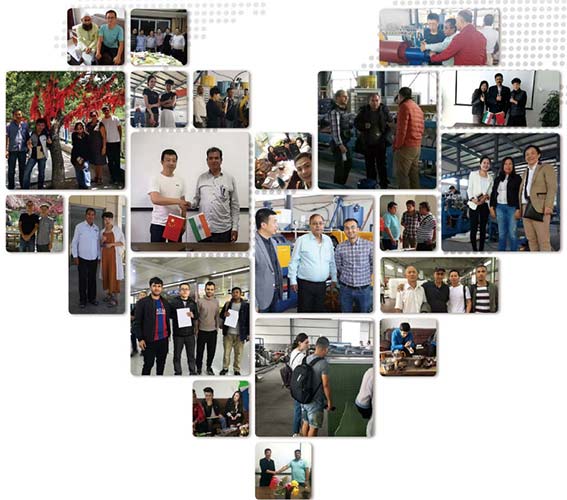
China manufacturer of EPE foam machinery since 2003.EPE foam machine not only have covered all over China, but also have exported to more than 70 countries
Would you like to take a closer look at our offer?

You May Like:
We are making What is a EPE foam laminating machine? factory, manufacturer & supplier & exporter.We specialize in making EPE foam machine for over 20+ years